
No products in the cart.
Uncategorized
common types of silicone

11
Oct
Oct
Several common types of silicone
Silicone rubber is a versatile elastomer that possesses a unique combination of properties, making it suitable for various applications. There are different classifications of silicone rubber, including solid silicone rubber (HCR), liquid silicone rubber (LSR), fluorosilicone rubber (FSR), and room temperature vulcanized (RTV) silicone rubber. Each classification has distinct characteristics and properties that make it suitable for specific applications.
For instance, FSR has excellent high and low-temperature stability, while LSR has the smallest molecular chains out of the three types, making its polymers a low molecular weight. Understanding the different classifications of silicone rubber can help in selecting the right type for specific applications.
Solid silicone rubber (HCR)
Solid silicone rubber is a highly durable and versatile elastomer that possesses excellent resistance to extreme temperatures, chemicals, and UV radiation. It is produced by mixing silicone polymer with various additives such as crosslinkers, catalysts, and fillers through a process called compounding. The resulting mixture is then shaped into the desired form through techniques such as molding, extrusion, or calendaring. Solid silicone rubber is widely used in various industries due to its unique combination of properties including high thermal stability, low compression set, and excellent electrical insulation properties.
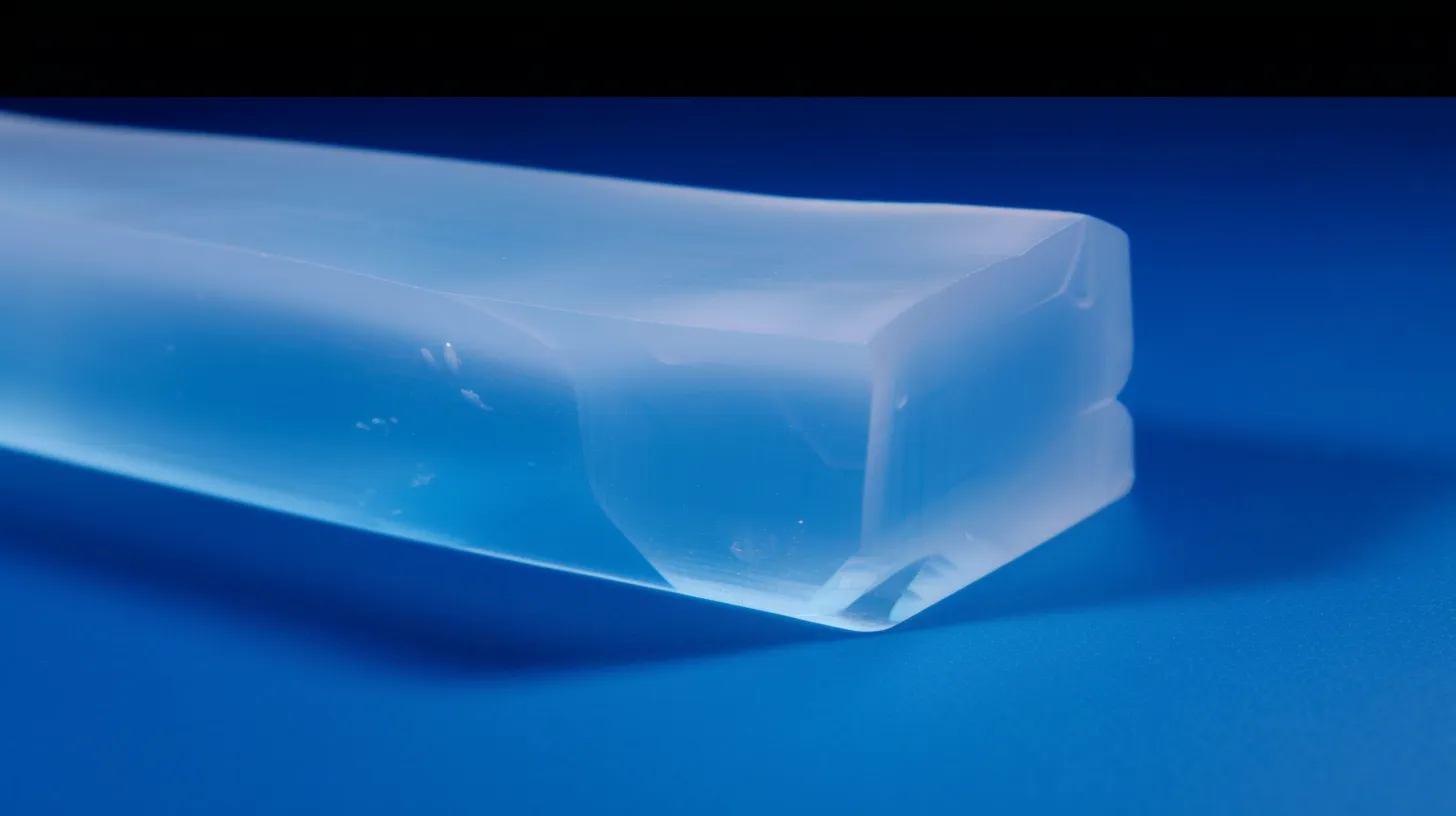
Liquid silicone rubber (LSR)
Liquid Silicone Rubber (LSR) is a highly versatile material that is widely used in various industries due to its unique properties. It is a two-component system made up of long polysiloxane chains reinforced with specially treated silica. The two components, A and B, are mixed together in a 1:1 ratio and rapidly heat-cured into durable elastomers. LSR has low viscosity, excellent thermal stability, high tear strength, and good electrical insulation properties. It can be injection molded or cast into silicone rubber sheets, making it ideal for a wide range of applications.
Fluorosilicone rubber (FSR)
Fluorosilicone rubber is a specialized elastomer that is highly resistant to extreme temperatures, fuels, oils, and solvents. It is produced by blending fluorocarbon and silicone polymers with various additives to enhance its physical properties. The resulting material combines the excellent chemical resistance of fluorocarbon rubber with the high-temperature performance of silicone rubber. Fluorosilicone rubber can be molded or extruded into complex shapes and is commonly used in aerospace, automotive, and military applications where resistance to harsh environments is critical. The production process involves mixing the base polymer with curing agents and other additives before molding or extruding into finished parts.
Room temperature vulcanized (RTV) silicone rubber
Room temperature vulcanized (RTV) silicone rubber is a type of liquid silicone rubber that can cure or harden at room temperature without the need for heat. It is typically produced by mixing a base polymer with a curing agent, which triggers the vulcanization process. RTV silicone rubber has excellent properties such as high flexibility, good electrical insulation, and resistance to moisture, chemicals, and extreme temperatures. It is widely used in various industries such as automotive, construction, electronics, and healthcare due to its versatility and reliability.
